The Ship Found Perfectly Upright on the Sea Floor
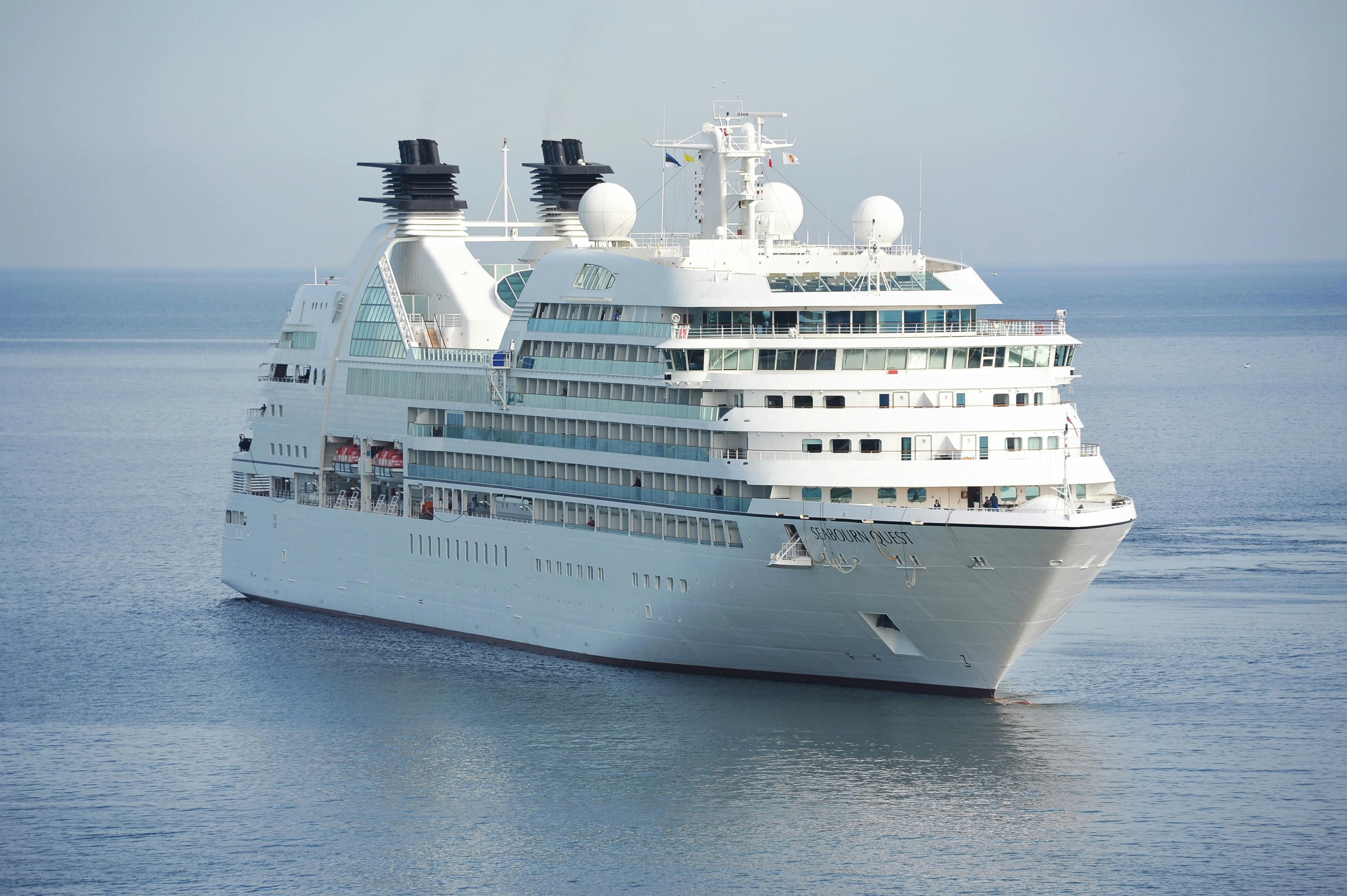
The steamship SS Milwaukee left Chicago in November 1929 and sailed straight into a deadly storm. She never made it to port, sinking into the freezing, dark waters of Lake Michigan with all hands lost. Decades later, divers found the ship standing totally upright on the lake bed, looking like she just parked there.
Finding a sunken ship is always big news, but finding one intact is rare. The SS Milwaukee sits 360 feet down in pitch-black water. Her wood was preserved by the cold freshwater, and her metal hull looks almost new. It is one of the most incredible shipwrecks ever brought back to light through modern underwater exploration.
The Fatal Trip Across Lake Michigan
On November 22, 1929, the weather turned ugly fast. Captain Robert Sherwood loaded his massive train car ferry with 27 loaded boxcars. The ship was built tough to crush thick ice, so the crew felt safe. They pulled out into Lake Michigan around mid-afternoon, right as the gale winds started to howl.
Hours later, massive waves smashed against the stern doors. The heavy sea pulled the stern gate open, letting tons of icy water pour inside. The crew tried to turn around, but it was too late. Water rushed into the engine room, killing the power. Without engines, the ship was completely at the mercy of the violent storm.
Did the crew try to escape? They actually dropped a message in a bottle before the ship sank. A beachcomber found it days later, reading a brief note about the rising water and how the pumps had failed. All 52 men on board died in the cold night, leaving families across Wisconsin and Michigan waiting for news that never came.
How Was the Ship Found Completely Intact?
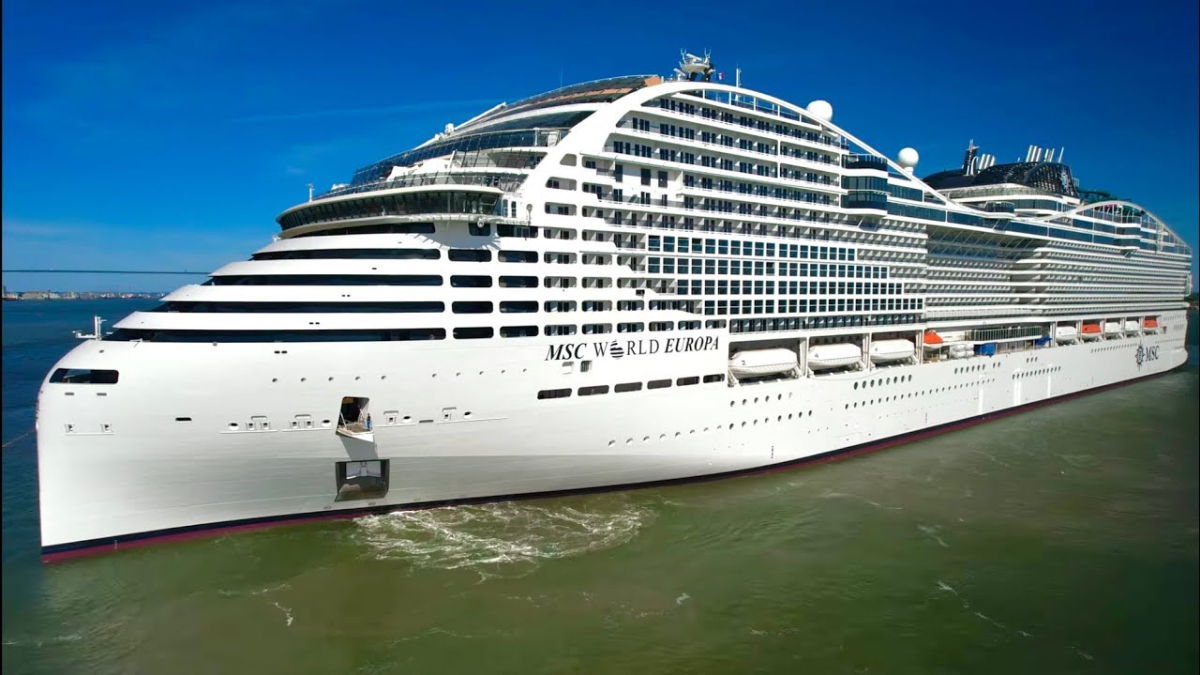
For almost a century, nobody knew the exact resting place of the vessel. Searchers looked for years, but the lake is vast and deep. Then, a team of shipwreck hunters using high-tech sonar scanned a new grid of the lake bottom. A huge shape appeared on their screens, standing tall off the muddy floor.
When remote cameras dropped down, the team could not believe their eyes. The ship sat completely upright in the deep mud, just as if she were sailing on top of the water. The pilot house was still there. The brass fixtures glinted in the camera lights. It looked less like a graveyard and more like a time capsule frozen in 1929.
Fresh water lacks the salt and ocean worms that destroy metal and wood over time. Because Lake Michigan is icy cold and lacks oxygen at the bottom, decay moves very slowly. You can still see light bulbs in their sockets and wooden benches resting on the deck. Learning how humans adapt to raw nature is a huge part of understanding Survival skills on both land and water.
Why Ships Sink in This Strange Position
Most ships roll over or break apart as they head down. When a vessel takes on water, it usually gets top-heavy and flips to one side. Why did this one settle straight up? The answer lies in how the water filled her heavy hull.
As the stern filled up first, the heavy train cars stayed locked onto their metal tracks inside. This put thousands of tons of weight straight down the center line of the hull. The weight acted like a giant keel, holding the ship steady as she sank downward through hundreds of feet of water.
She hit the bottom stern-first, driving her back end deep into the soft clay. Then the bow dropped down gently, leveling out the whole deck. It was a one-in-a-million landing that preserved the ship almost exactly as she was on her final night. Readers who like wild survival tales might also like Juliane Koepcke: The Girl Who Fell From the Sky.
What Do We Learn from Lake Michigan Shipwrecks?
This discovery taught historians a lot about early 20th-century shipping routes and ship construction. The Great Lakes hold thousands of wrecks, but few are in this condition. Each artifact left on the deck tells a personal story about the sailors who worked those tough winter routes.
Divers and researchers treat the site with huge respect. It is an official war grave and historical landmark, so taking anything from the site is illegal. The cameras took thousands of photos to build a 3D model of the vessel, letting people tour the wreck online without ever disturbing the site.
The story reminds us how fast the Great Lakes can turn dangerous. Even giant steel ships can vanish in a matter of hours when winter storms hit. If you enjoy reading about history and hidden places, check out our other posts on unbelievable real life survival stories across the globe.
What Is the Ship like Today?
Today, the wreck remains dead quiet in the cold darkness. Invasive zebra mussels have started to cover parts of the steel hull, changing how the ship looks over time. Researchers hurry to record every inch of the ship before these small shells hide the fine details forever.
The message in the bottle found in 1929 remains one of the most famous relics of the disaster. It serves as a reminder of the human spirit facing impossible odds. When you look at images of the ship standing tall underwater, you see both the terror of that night and the quiet beauty of a preserved history.
Next time you look out over a large lake or ocean, think about what might be resting far beneath the waves. What lost story would you want to find resting on the bottom of the lake?
Who Really Was Captain Robert Sherwood?
Captain Robert Sherwood was a veteran sailor who knew the lakes very well. People living in Milwaukee remembered him as a calm leader who never panicked under pressure. He spent decades steering heavy ferries through ice and wind without losing a single ship until that terrible night.
Letters found in local historical archives show how much the town trusted him. His family always held out hope that he had somehow reached a distant shoreline. Learning about his long career helps us remember that real people with deep experience were behind the wheel.
Key Details of the SS Milwaukee
Here are a few quick facts about this famous car ferry:
- Built in 1903 in Cleveland, Ohio to carry heavy freight.
- Stretched over 330 feet long with a thick steel hull.
- Equipped with twin propellers designed to chop through winter ice.
- Carried up to 30 loaded railroad cars on every trip.
Visiting the Wreck Virtually
Because the wreck lies so deep, regular scuba divers cannot reach it safely. Special deep-water teams use light systems and small submersibles to map the decks. Museums in Wisconsin now offer digital tours that show high-definition scans of the pilot house and cargo bays.


Comments
Post a Comment